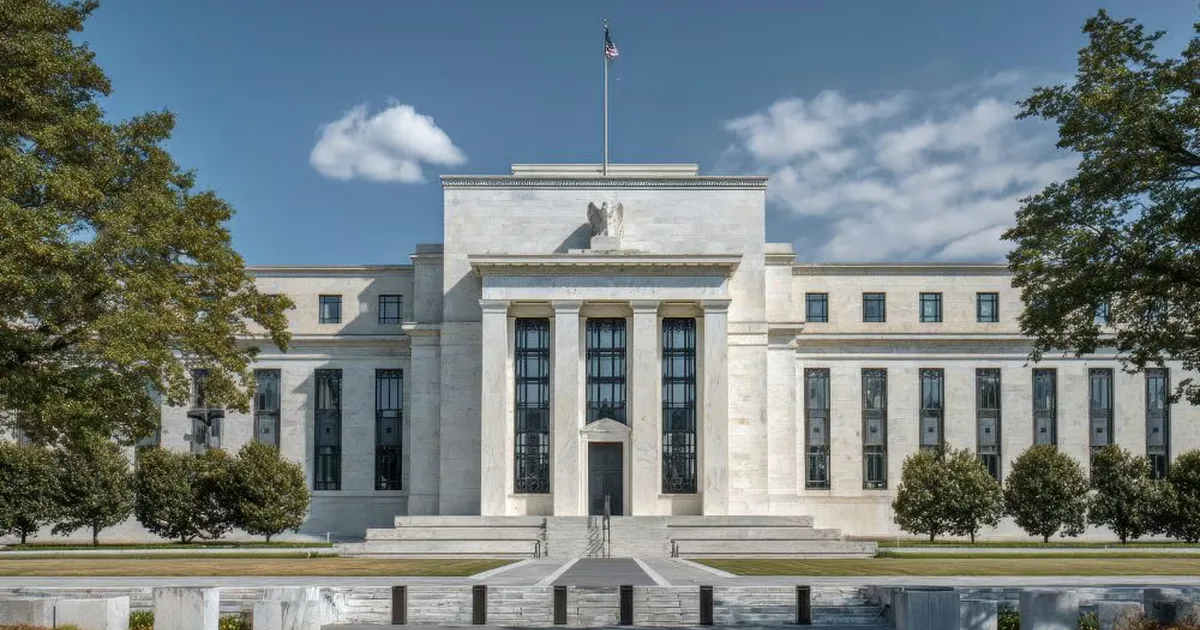
Kevin Warsh, the nominee to become the next Federal Reserve Chair, has disclosed cryptocurrency holdings in his financial portfolio. This is unprecedented for a Fed Chair nominee and worth understanding, not because it changes anything today, but because of what it may signal for tomorrow.
What the Disclosure Shows
Warsh's required financial disclosure forms reveal direct or indirect exposure to digital assets. What's operationally relevant? This is the first time a Fed Chair nominee has put crypto on their financial disclosure.
Receive future blog posts by email.
The Fed Chair wields enormous influence over monetary policy, banking regulation, and the broader financial system's approach to emerging asset classes. A Chair with personal crypto exposure brings a different perspective to those conversations than one who views digital assets purely as abstract regulatory problems.
Why This Matters for Compliance
This doesn't change your compliance obligations today. The SEC, CFTC, FINRA, and state regulators still have their existing frameworks. But it does suggest a potential shift in tone.
The Federal Reserve has been cautious, some would say hostile, toward crypto. Warsh's personal investment decisions indicate at a minimum an openness to the asset class that his predecessors haven't demonstrated.
For digital asset firms, this is context worth tracking:
- Banking access: The Fed's approach to banks serving crypto clients has been restrictive. A Chair with crypto exposure may view debanking concerns differently.
- CBDC policy: Warsh will shape debates around a digital dollar. Personal crypto holdings may influence how he weighs private versus public digital currency solutions.
- Regulatory coordination: The Fed works alongside the SEC and CFTC on systemic risk questions. A Chair comfortable with crypto may facilitate more pragmatic interagency approaches.
What This Doesn't Change
Your AML obligations remain identical. Your custody procedures don't shift. Your registration requirements are unchanged. The disclosure is interesting context, not a compliance green light.
Warsh still has to be confirmed by the Senate. His crypto holdings will certainly come up in those hearings. How he addresses them and whether he commits to recuse himself from certain decisions will matter more than the holdings themselves.
The Practical Takeaway
Watch the confirmation hearings. Pay attention to any ethics agreements or recusal commitments Warsh makes regarding digital asset policy. And recognize that the Fed's institutional culture moves slowly, regardless of who occupies the Chair.
Right now, it's just one more sign that digital assets are moving from the fringe to the mainstream in finance. It doesn't mean the regulatory environment gets easier. It means the people making policy decisions may increasingly understand what you're building.
Subscribe to Regulated Intelligence Brief
Get new compliance intelligence delivered to your inbox.
Key Takeaways
Does Warsh's crypto disclosure change any current compliance requirements?
No. Your existing obligations under SEC, CFTC, FINRA, and state rules remain unchanged. This disclosure affects future policy direction, not current regulatory frameworks.
Could Warsh's holdings create conflicts of interest on crypto policy?
Potentially. Ethics agreements typically require nominees to address such conflicts. Watch for recusal commitments during Senate confirmation hearings regarding digital asset policy decisions.
What should digital asset firms monitor during the confirmation process?
Pay attention to Warsh's statements on banking access for crypto firms, CBDC development, and how he'll coordinate with the SEC and CFTC on digital asset oversight. His commitments during confirmation will signal future Fed posture.
The content in this blog is for informational purposes only and does not constitute legal advice, regulatory guidance, or an offer to sell or solicit securities. GiGCXOs is not a law firm. Compliance program requirements vary based on business model, customer base, and regulatory classification.