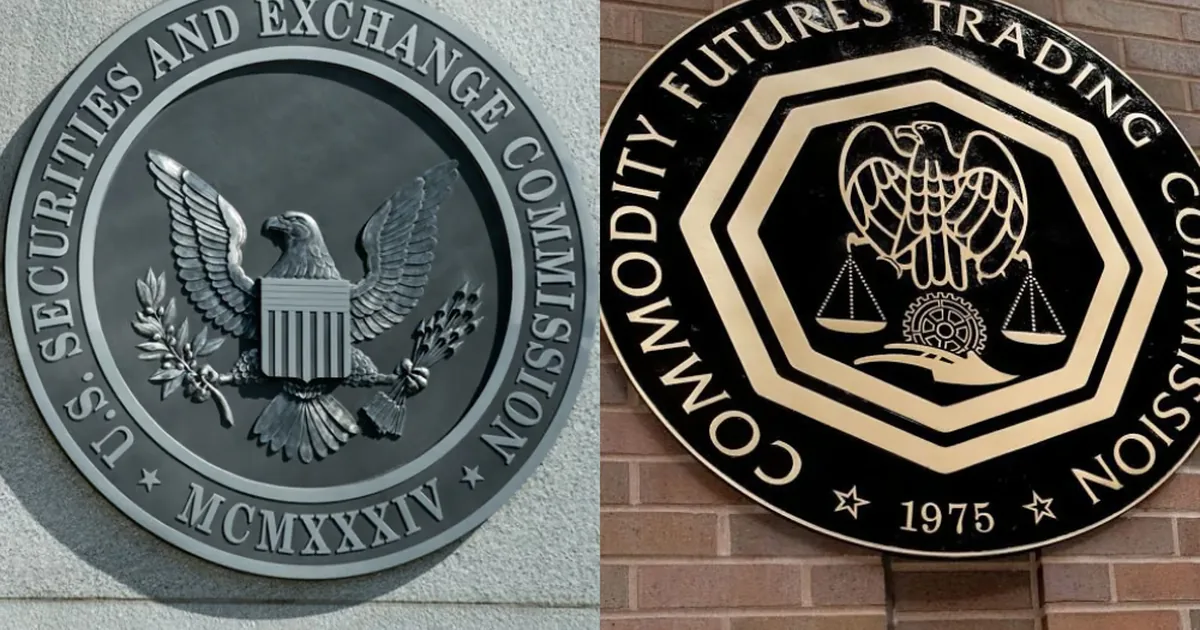
The crypto market structure bill just cleared a key House committee vote, and while floor passage is not guaranteed, this is the most significant legislative progress we've seen for digital asset regulation. If you're running compliance at a crypto firm, you need to understand what's in this bill and what it means for your registration obligations.
What the Bill Actually Does
The legislation establishes a comprehensive framework for digital asset oversight by dividing regulatory authority between the SEC and CFTC. The industry has fought for years over one core question: which agency has jurisdiction over which tokens. This bill would finally give a statutory answer.
Receive future blog posts by email.
Under the bill's framework, digital assets that are sufficiently decentralized would fall under CFTC jurisdiction as commodities. Those that remain centralized or function more like traditional securities stay with the SEC. The bill sets up a process where firms would need to certify which side of the line their tokens fall on.
For trading platforms, the legislation creates a new registration category for digital asset exchanges. Right now, platforms are cobbling together state money transmitter licenses with inconsistent federal guidance. A single federal framework would replace that patchwork.
The Ethics Question Complicating Passage
Now for the curveball: the bill's path to a floor vote is tangled up in ethics debates that have nothing to do with crypto. Politics could stall this, no matter how sound the bill is.
This matters for your planning. Don't assume passage is imminent just because the committee vote succeeded. Legislative timelines are unpredictable, and this bill has external headwinds.
What You Should Be Doing Now
If you operate a digital asset business, the time to prepare is before final passage, not after. Here's what that looks like operationally:
- Map your token classifications. Under this framework, you need to know which assets would fall under SEC jurisdiction versus CFTC jurisdiction. That analysis takes time.
- Review your registration posture. The new exchange registration category will have specific requirements. Start identifying gaps between your current operations and likely requirements.
- Document your decentralization analysis. The bill's sufficiently decentralized standard will be fact-specific. Build the record now that supports your classification position.
- Monitor the legislative calendar. Floor votes can happen quickly once scheduled. You don't want to be scrambling.
The Bottom Line
This bill represents the clearest path to regulatory certainty the digital asset industry has seen. That certainty comes with compliance obligations. The firms that prepare now will have an advantage over those waiting for final passage. The framework is visible. The direction is clear. What remains uncertain is timing.

Subscribe to Regulated Intelligence Brief
Get new compliance intelligence delivered to your inbox.
Key Takeaways
Does this bill apply to my firm if we only deal in Bitcoin and Ethereum?
Yes. The bill establishes a comprehensive framework that covers all digital assets, including Bitcoin and Ethereum. The classification of specific assets under SEC or CFTC jurisdiction will depend on the decentralization standards in the legislation. You need to understand how the certification process works.
When would new registration requirements take effect if the bill passes?
The bill will include implementation timelines, typically 12-24 months after enactment for major registration requirements. However, you should not wait for passage to begin preparation — gap analysis and documentation work takes significant time.
How does the 'sufficiently decentralized' standard work?
The bill creates a certification process where issuers can seek a determination that their asset is sufficiently decentralized to fall under CFTC commodity jurisdiction rather than SEC securities oversight. The specific criteria will be developed through rulemaking, but expect factors like token distribution, governance structure, and network control to be central.
The content in this blog is for informational purposes only and does not constitute legal advice, regulatory guidance, or an offer to sell or solicit securities. GiGCXOs is not a law firm. Compliance program requirements vary based on business model, customer base, and regulatory classification.